Table of Contents
ToggleBuying new power tools can drain a DIY budget fast, a decent cordless drill alone runs $80 to $200, and that’s before you add a circular saw, impact driver, or orbital sander. Used power tools offer a practical alternative: solid machines at 30–60% of retail prices. But walking away with a lemon is just as easy, especially if you don’t know what to look for. This guide walks you through finding quality used power tools, spotting red flags, and building a workshop that delivers real value without cutting corners on safety or performance.
Key Takeaways
- Used power tools can save 30–60% off retail prices, making budget-friendly starter kits possible without sacrificing quality or performance from trusted brands like DeWalt and Makita.
- Always test used power tools hands-on before purchasing, listening for grinding or squealing sounds and checking the chuck, cord, and motor performance to avoid hidden operational problems.
- Inspect the physical condition carefully by looking for cracks in the housing, rust on metal parts, and water staining in dust ports—signs of poor maintenance or storage that predict future failures.
- Avoid used power tools with damaged cords, water damage, missing guards, seized bearings, or recalled models, as repair costs and safety risks outweigh any savings.
- Buy quality used power tools from local sources like estate sales, Facebook Marketplace, Habitat for Humanity ReStore, or tool rental company sales where you can inspect equipment in person.
- Build your used tool collection strategically around versatile, durable machines like a cordless drill, circular saw, and orbital sander, while always investing in new safety equipment and maintaining tools with regular cleaning and replacement of consumables.
Why Used Power Tools Make Sense for Your Budget and Projects
Used power tools hit a sweet spot for homeowners stepping up their game. A homeowner tackling occasional projects doesn’t need pristine equipment: they need reliable machines that won’t fail mid-task. Quality used tools from brands like DeWalt, Makita, and Milwaukee hold their value and performance well, especially if they’ve been maintained. That secondhand miter saw collecting dust in someone’s garage might have thousands of clean cuts left in it.
The financial case is straightforward. A used impact driver might cost $40–60 versus $120 new. Multiply that across five tools, and you’re looking at $300 saved on a compact starter kit. More importantly, buying used removes the guilt of “wasting money” on a tool you use twice a year, you’re already thinking smart about your spending.
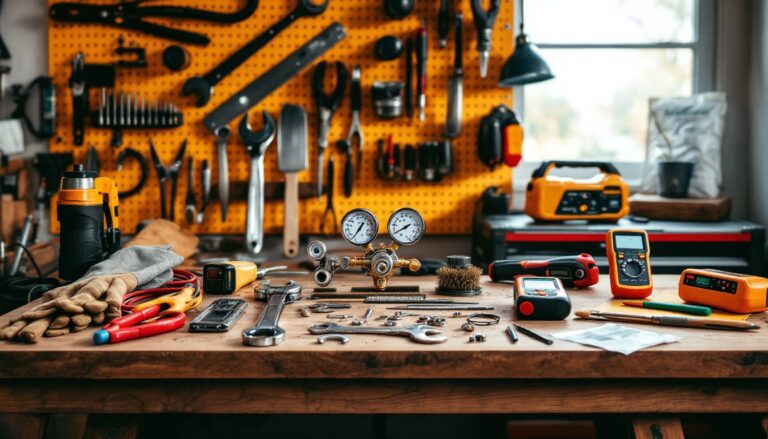
Used tools also let you experiment without risk. Want to try your hand at mechanical workshop tools before investing? A used orbital sander or jigsaw costs less than renting one. If the project doesn’t grab you, the low entry cost stings less. This flexibility accelerates learning because you’re not paralyzed by purchase anxiety.
What to Inspect Before Purchasing Any Used Power Tool
Inspection separates a bargain from a headache. Never buy a used power tool without testing it hands-on, online photos hide cosmetic damage and operational problems. Ask the seller questions upfront: How often was it used? Any repairs? Why are they selling? Honest answers matter.
Physical Condition and Visible Wear
Start with the body and chuck. Look for cracks in the plastic housing, especially near the trigger or motor vents. A cracked motor shroud can trap dust and heat, shortening the tool’s life. Check the power cord for exposed wiring, cuts, or burns, this is a safety issue, and replacement costs $15–30, but poor electrical work can cause fires.
Inspect moving parts. On a drill, the chuck should grip smoothly without wobble. On a circular saw, the blade should spin freely with no drag or unusual noise. Check for rust on metal parts, light surface rust can be cleaned, but deep pitting on shafts or bearings signals heavy neglect or moisture exposure. Look inside the dust port for sawdust buildup or water staining, both red flags for poor storage.
Brushes wear out (they cost $10–20 to replace), but visible wear, sparking excessively during testing or a burnt smell, suggests the motor is tired. A used tool with a bit of cosmetic wear is normal: one that looks abused often performs that way.
Functionality Testing and Performance Checks
Always run the tool before buying. Listen for grinding, squealing, or stuttering sounds, these point to bearing wear or motor strain. A grinding noise under load (like cutting plywood with a circular saw) is a deal-breaker. Stuttering or power loss mid-cut means brushes or windings are failing.
Test the full power range. Trigger the tool at low and high speeds. The motor should ramp smoothly without hesitation. On cordless tools, confirm the battery holds a charge, even a weakened battery can be replaced, but if the charger is missing, factor in a $40–100 replacement cost.
For percussion tools like impact drivers, listen for consistent strikes. Weak or uneven impacts suggest internal wear. On rotary tools or sanders, spin-up time matters: a healthy motor reaches full speed in 1–2 seconds: a sluggish ramp suggests motor fatigue.
Ask for a test run on a scrap of the intended material. A drill should bore cleanly without chattering or binding. A cordless tool should deliver power without stuttering under moderate load. If the seller won’t let you test it or seems evasive, walk away.
Where to Find Quality Used Power Tools
The market for used tools is robust. Estate sales and auctions often have vintage and lightly used tools at low prices, though selection is random. Pawn shops and tool rental returns sometimes undercut online prices, and you can inspect everything in person.
Facebook Marketplace, Craigslist, and OfferUp give you direct access to sellers and the chance to ask questions and test tools. Avoid distant shipping: tools are heavy and arrive damaged easily. Local pickups let you inspect before handing over cash.
Tool rental companies occasionally sell off used equipment to refresh inventory. These machines see hard use but are maintained professionally. Habitat for Humanity ReStore locations stock donated tools, no negotiation, but prices are fair and proceeds fund home-building programs.
Big-box store refurbished sections (Home Depot, Lowe’s) sell returned and refurbished tools with limited warranties, typically at 20–40% off retail. The trade-off: you won’t know the usage history, but the store’s return policy offers some protection.
Specialty tool forums and woodworking communities (like those on Reddit or dedicated woodworking boards) often have classified sections where serious hobbyists sell quality machines they’ve outgrown. These buyers tend to maintain tools well and provide honest histories.
Red Flags and Safety Concerns to Avoid
Some used tools aren’t worth any price. Never buy a tool with a damaged power cord or exposed wiring, the repair isn’t worth the electrocution risk. Similarly, avoid anything with water damage or deep rust on the motor housing: moisture inside the motor causes electrical shorts and safety hazards.
Be cautious with recalled models. Check Popular Mechanics’ guide to restoring old power tools and the Consumer Product Safety Commission website (CPSC) for recalls before buying vintage equipment. A $30 saw might be $30 because it was recalled for blade failure.
Avoid tools with missing guards or blade covers, especially on circular saws, angle grinders, and table saws. A seller who’s removed guards either ignored safety or was desperate to cut production, neither option is trustworthy. Guards cost $10–20 to replace, but if someone removed them, the tool may have hidden damage from misuse.
Pass on tools with visible motor damage, seized bearings, or broken gears. These require professional repair costing more than the tool itself. Likewise, steer clear of incomplete tool sets without chucks, collets, or critical attachments, replacement parts run high.
Heavily modified or “tuned” tools from hobbyists can be risky. Rewired motors, aftermarket speed controllers, or non-original parts may void safety certifications and void any remaining warranty. A pristine, stock tool is always safer than a customized one.
Building Your Used Power Tool Collection Strategically
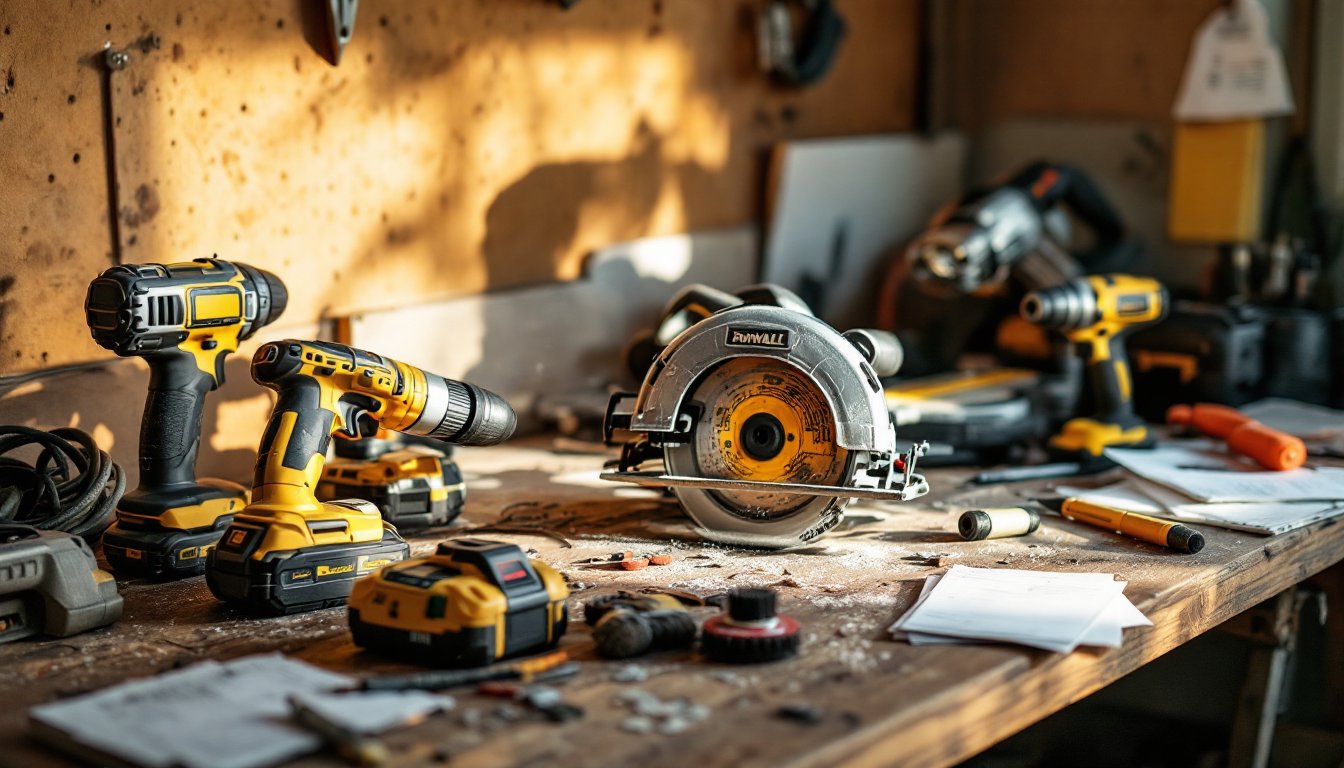
Start with versatile, durable tools that span multiple project types. A cordless drill-driver, circular saw, and orbital sander form a solid foundation and cover 80% of DIY tasks. Add workshop tools and equipment one at a time based on your projects, not impulse.
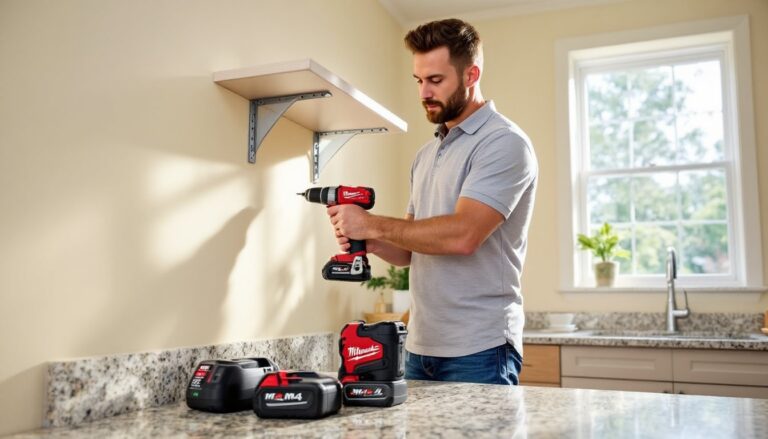
Prioritize brand ecosystem compatibility. If you start with a DeWalt 20V system, buy used DeWalt batteries and chargers, interchangeability saves money. Jumping brands for each tool leaves you with orphaned batteries and chargers.
Invest in safety-critical tools new. Hearing protection, eye protection, dust masks, and first-aid supplies don’t degrade with use and cost little. A secondhand circular saw with a chipped blade is fine if you replace the blade: secondhand PPE is a false economy.
Document what you buy. Keep receipts, take photos of the condition on pickup day, and note the seller’s contact info. If a tool fails within days, you’ll have proof of the sale and a way to follow up. Most honest sellers will help troubleshoot or refund if the tool was misrepresented.
Plan maintenance from day one. A $15 workshop tools list investment in cleaning supplies, blade oil, and replacement brushes keeps used tools running strong. Dust off equipment after each use, store in dry conditions, and replace consumables (blades, belts, batteries) as needed. Preventive maintenance turns a used tool into a workhorse that lasts years.