Table of Contents
ToggleA quality chisel, hand plane, or table saw doesn’t lose its utility after the original owner moves on, it often gains character. Buying used woodworking tools has become a practical path for DIY enthusiasts and serious hobbyists who want professional-grade equipment without the new-retail price tag. Whether you’re starting your first workshop or adding specialized tools for a specific project, used tools can deliver real value if you know what to look for. This guide walks you through sourcing, inspecting, and maintaining used woodworking tools so you can build confidently and affordably.
Key Takeaways
- Used woodworking tools cost 40–60% less than new equivalents while often featuring superior engineering and material quality from legacy manufacturers.
- Inspect used woodworking tools thoroughly before purchase by checking for rust, testing moving parts, verifying completeness, and asking sellers about provenance and maintenance history.
- Quality hand planes, saws, bench vises, and power tools from reputable brands make ideal starter purchases for beginners looking to build an affordable workshop.
- Light surface rust on cast iron can be cleaned with a wire brush or vinegar soak, while regular maintenance with paste wax or oil prevents deterioration and extends tool life.
- Online marketplaces, local estate sales, and tool dealers offer different advantages—online reach versus hands-on inspection—so choose sources based on your budget and comfort level.
Why Buying Used Woodworking Tools Makes Sense
Used woodworking tools often cost 40–60% less than new equivalents, making premium brands accessible on a realistic budget. A well-maintained hand plane or chop saw from a legacy manufacturer can outlast budget imports. Older cast-iron tools, table saws, bench vises, and hand planes, were often built with thicker metal and tighter tolerances than modern budget versions.
Buying used also means less waste. Instead of sitting in landfills, quality tools find new hands and new projects. You’re also less likely to impulse-buy trinket tools when you’re investing thoughtfully in secondhand stock. Many experienced woodworkers actively seek vintage or gently used pieces because they know the engineering and material sourcing of tools built in the 1970s–1990s often exceeded today’s mass-produced alternatives.
That said, not every used tool is a bargain. A damaged blade, a seized chuck, or a missing fence are real problems that may cost more to fix than the tool’s discounted price. The key is learning to inspect before you buy.
Where to Find Quality Used Woodworking Tools
Online Marketplaces and Auctions
Facebook Marketplace, Craigslist, eBay, and specialized sites like OfferUp have become hunting grounds for used tools. The advantage is reach, you can compare listings across your region and beyond. Auction sites often feature estate sales where entire shop liquidations surface at once. Always ask sellers for close-up photos of the tool’s condition: rust, cracks, missing parts, or replacement components should be visible before you commit.
Online auctions carry risk because you can’t inspect before buying. Establish a clear return policy expectation with the seller in writing. For high-value items like vintage table saws or planers, video calls where the seller demonstrates the tool in action can reduce surprises.
Local Shops and Estate Sales
Local tool dealers, antique shops, and pawn shops often stock used woodworking equipment. Buying locally lets you touch, feel, and test the tool, spin the blade, check for wobble, and assess the overall condition hands-on. Many tool shops also provide limited warranties or guarantees on their inventory.
Estate sales are treasure troves when an experienced woodworker or contractor’s shop is being cleared. These sales often feature complete tool sets, specialized equipment, and even vintage machinery in working order. Attend early, bring a flashlight and a tape measure, and inspect carefully. Many estates list photos online before the sale, so you can scout beforehand.
Essential Inspection Tips Before You Buy
Before handing over cash, develop a quick but thorough inspection routine.
Check for rust, cracks, and corrosion. Light surface rust on cast iron can be cleaned, but deep pitting or rust that’s eaten into the metal is a red flag, repair costs mount fast. Hold the tool up to light and look for hairline cracks, especially near stress points like the base of a saw handle or the corners of a saw blade.
Test moving parts. Spin chuck keys, slide fences, test clamps, and open and close any hinges or latches. A tool that’s been stored dry moves freely: one that’s seized up from moisture or neglect may never perform reliably again, even after cleaning.
Verify completeness. Missing fence rails, blade inserts, dust ports, or handles make a tool unusable. Ask the seller if all original parts are accounted for. Reproduction parts exist, but sourcing them adds cost and hassle.
Look at the blade or bit. Is it chipped, bent, or dull? A quality carbide blade or high-speed steel bit can be replaced affordably, but assess whether the original state suggests the tool was well-maintained overall.
Ask about provenance. A tool with service records or documented maintenance history is worth more than an orphan with no backstory. If the seller can tell you when and how often the tool was used, you’re likely looking at a well-cared-for piece.
Resources like This Old House and Popular Mechanics feature tool reviews and buying guides that can inform your decisions on specific models or brands.
Must-Have Used Tools for Beginner Woodworkers
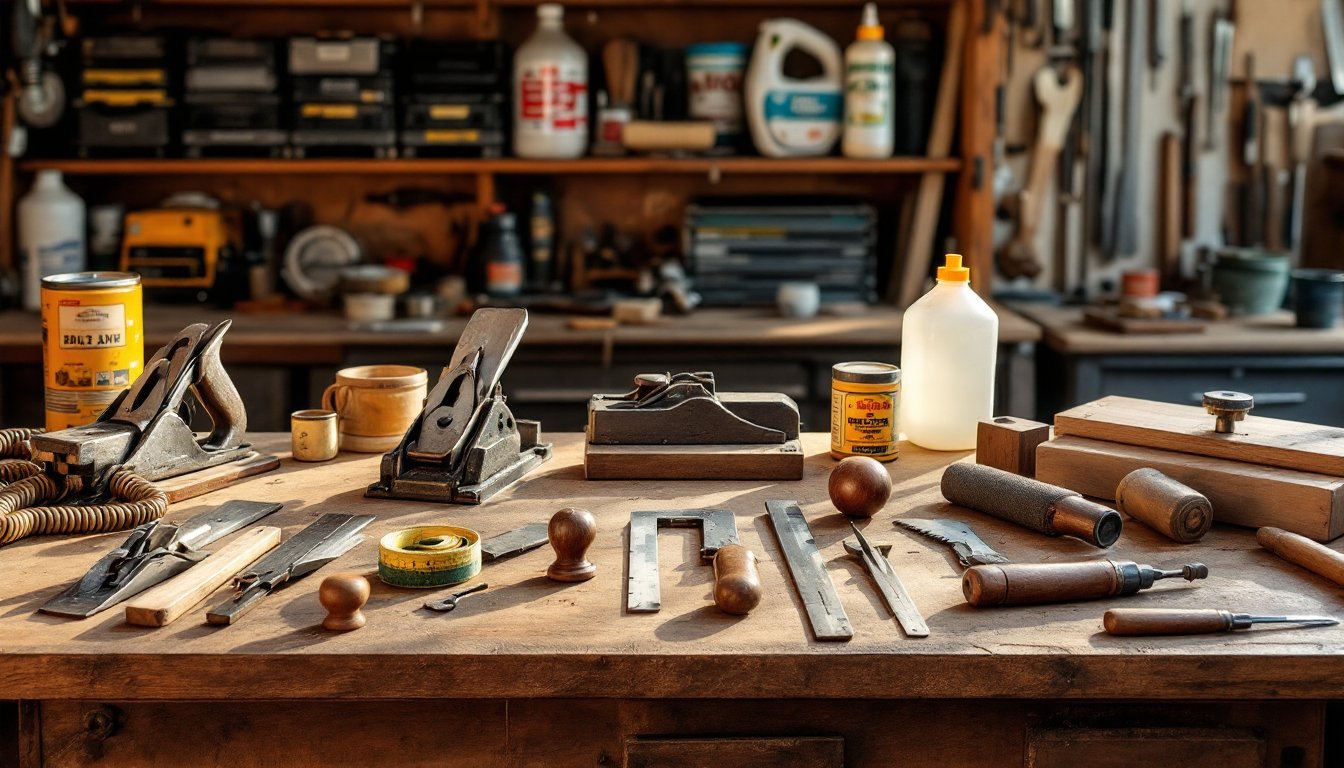
When starting out, focus on versatile, fundamental tools rather than specialty equipment. A hand plane (bench plane or jointer plane) is invaluable for smoothing and fitting wood: vintage Stanley or Record planes are abundant, durable, and often cost $20–$60 used. A quality saw, handsaw, backsaw, or circular saw, handles crosscutting and ripping: older saws often have better plate steel than budget new versions.
A sturdy workbench vise anchors your work. Cast-iron bench vises are heavy, affordable used, and last decades. Pair it with a basic measuring setup: a tape measure, a combination square, and a marking gauge ensure accuracy before you cut.
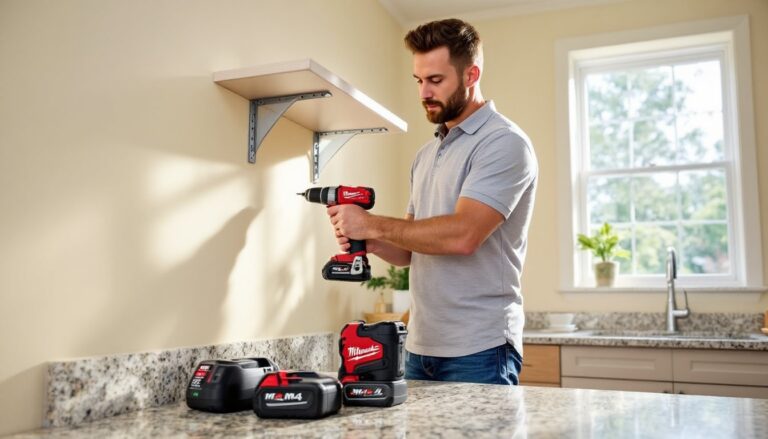
For your first power tool, a used drill-driver or impact driver opens up many projects. Older cordless models from reputable brands (DeWalt, Makita, Milwaukee) perform well if batteries can be replaced (often cheaper than the tool itself). A random-orbit sander smooths surfaces faster than hand-sanding: models from 10–15 years ago work fine and can often be found for under $50.
Consider a chop saw or miter saw if you’re doing trim work or crosscutting boards. These were built robustly decades ago and hold their value because they last. Essential Woodworking Tools: A guide covers beginner setups in detail if you want to explore starter recommendations further.
Avoid specialty tools (mortising machines, biscuit joiners, multi-axis sanders) until you’ve completed several projects and know you need them.
Maintenance and Restoration Basics
Once you’ve brought a used tool home, maintenance keeps it performing. For hand tools: Clean off dust and sawdust with a brush and dry cloth. Light surface rust on cast iron wipes away with a wire brush or steel wool: for stubborn rust, a soak in white vinegar (24–48 hours) or a commercial rust remover works. Coat cleaned metal lightly with paste wax or 3-in-1 oil to prevent new rust. Wooden handles can be sanded lightly and oiled with boiled linseed oil for protection and appearance.
For power tools: Vacuum dust from motor vents and housing. Brush carbon buildup off commutators and brushes if you’re comfortable opening the tool: otherwise, have a technician do it every 5–10 years. Replace worn brushes before they damage the commutator. Keep cords clean and check for cuts: damaged insulation is a safety hazard.
For blades and bits: Keep them sharp. A dull blade forces the tool to work harder, heats up, and produces poor cuts. Carbide blades can be professionally sharpened cheaply: high-speed steel bits can be honed on a whetstone. Store blades in blade guards and bits in indexed cases, protection prevents accidents and maintains edges.
Tune-up essentials: Check tool alignment regularly. A table saw blade should be parallel to the fence and at 90° to the table. A miter saw fence should be square to the blade. Loose fences, worn slots, and play in moving parts reduce accuracy and safety.
Regular maintenance turns a bargain purchase into a reliable, decades-long partner. Workshop Tools and Equipment: Unlock explores storage and care systems that support long-term tool health, and How to Organize Tools offers practical strategies for keeping your collection in working order.